
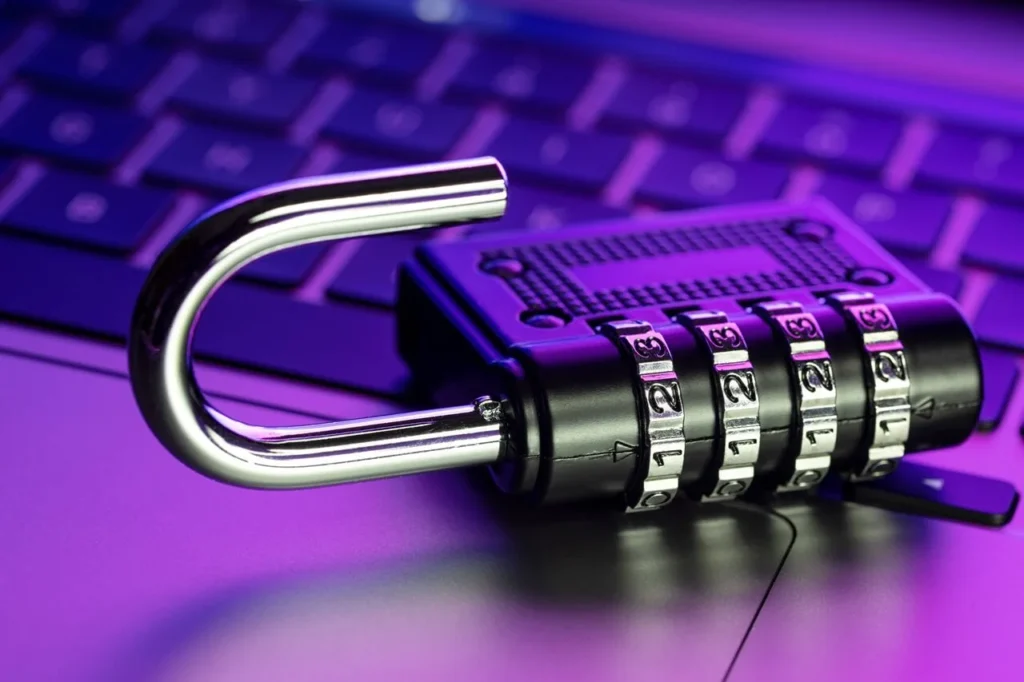
Data Protection: Outsourcing is now a strategic imperative for firms wishing to reduce costs, simplify processes, and gain access to specialized skills. Outsourcing is beneficial, but there is a need to be cautious while ensuring data security and regulatory compliance. Organizations deal with sensitive data, such as customer data, financial data, and intellectual property data, and therefore there is a need to establish robust security controls when dealing with third-party vendors.
The Growing Importance of Data Security in Outsourcing
With the era of cyber attacks, companies must be sure of data security to protect their assets and maintain the confidence of the customers. Data is likely to move between systems and places when outsourcing and hence there is increased vulnerability to intrusions, unauthorized access, and disclosures. Companies must hence ensure that outsourcing vendors adhere to strict security protocols.
The most critical Risks Relating to Data Outsourcing
Best Practices in Retaining Data Security While Outsourcing
Organizations must adopt the following best practices to minimize risk and offer secure data:
Selecting the correct outsourcing partner is the starting point for data protection. Conduct serious due diligence to assess their security policies, compliance history, and business reputation. Select partners that are certified by ISO 27001 (Information Security Management System) and SOC 2 (Service Organization Control).
Before engaging with an outsourcing partner, specify strict security requirements, including:
Different geographies and industries have different legal regulations for data protection. Companies need to ensure that the outsourcing vendors are in compliance with the applicable law, including:
The outsourcing agreement must contain very precise provisions regarding data security responsibilities. The most important provisions are:
After outsourcing, there should be constant monitoring to ensure security. Perform periodic audits and penetration testing to test compliance with security measures. Get frequent reports from vendors about their security protocols and incident response plans.
Despite robust security measures, human error is still one of the largest cybersecurity threats. There must be regular training sessions to familiarize employees with:
Conclusion
Apparently, outsourcing can bring a lot of advantages to companies, but data security and compliance must not be compromised at all. Organizations can securely outsource without sacrificing their data integrity and reputation by selecting good outsourcing partners, implementing strict security policies, and following compliance. Data security measures in the current digital era are not a choice, but a necessity.

Please feel free to contact us for any inquiries or to discuss your outsourcing needs.
Copyright @ 2024 by Pumraw Consultancy
Web Design by Pumraw Consultancy